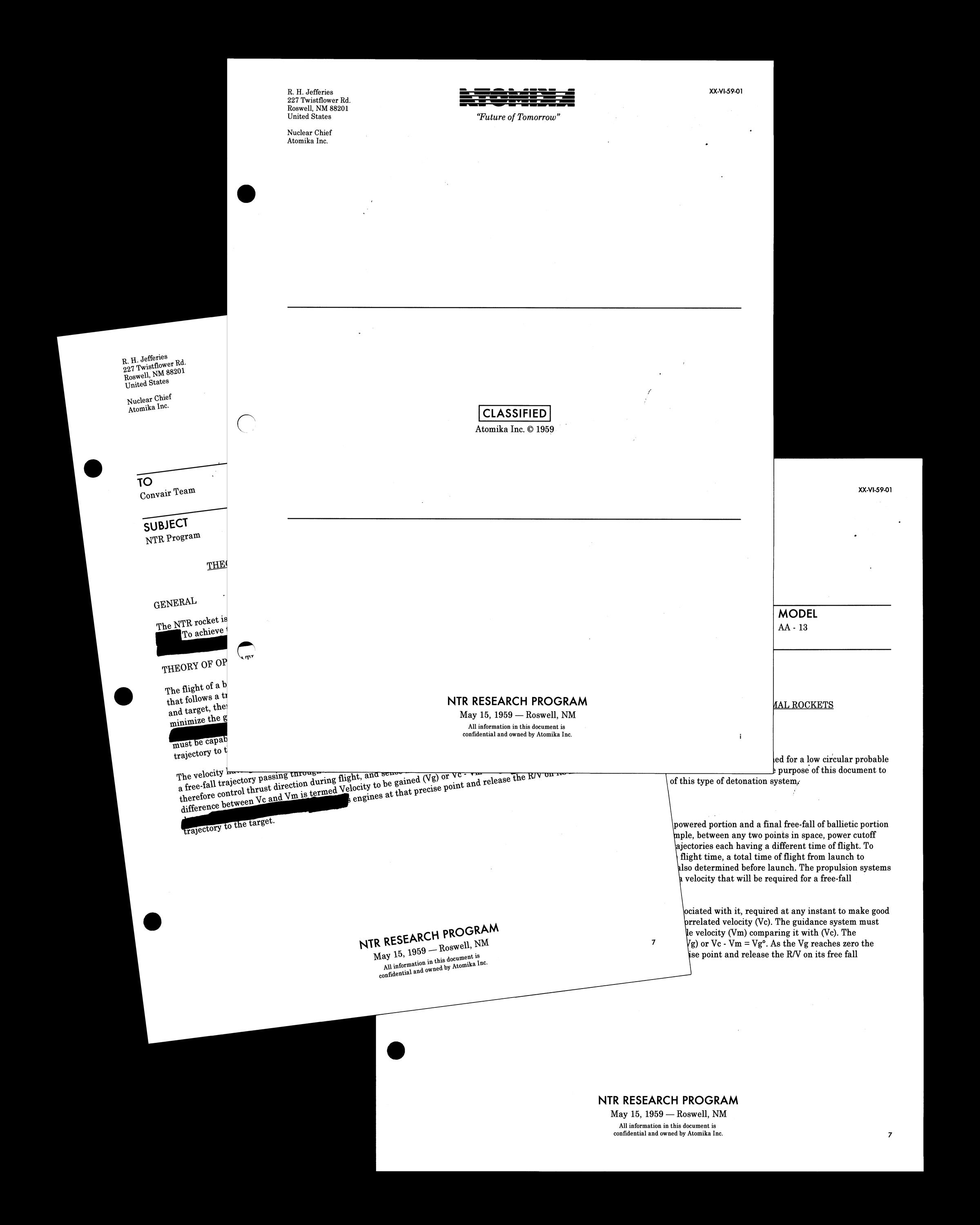
Atomika Incorporated
1956—1983
The Atomika Festival takes it’s name and inspiration from a mostly forgotten mid-century aerospace company, whose wild ideas and renegade optimism had an outsized impact on experimental space propulsion systems.
Founded in 1956, in Rancho Cordova, California, Atomika Inc. originally formed after North American Aviation split in 1955, with some members going on to found Rocketdyne. The nascent Atomika team would join with the engineers from Aerojet who had originally built the Titan and Minuteman missile engines, but Atomika’s ultimate vision quickly became a grand reimagining of spaceflight propulsion.
Atomika Incorporated’s first major contracts were to DARPA, after the agency was founded as a response to Sputnik 1 in 1958. This led to several “Space Age” dark-money projects on strange (and some would say “science fiction”) concepts throughout the 1950s and 1960s.
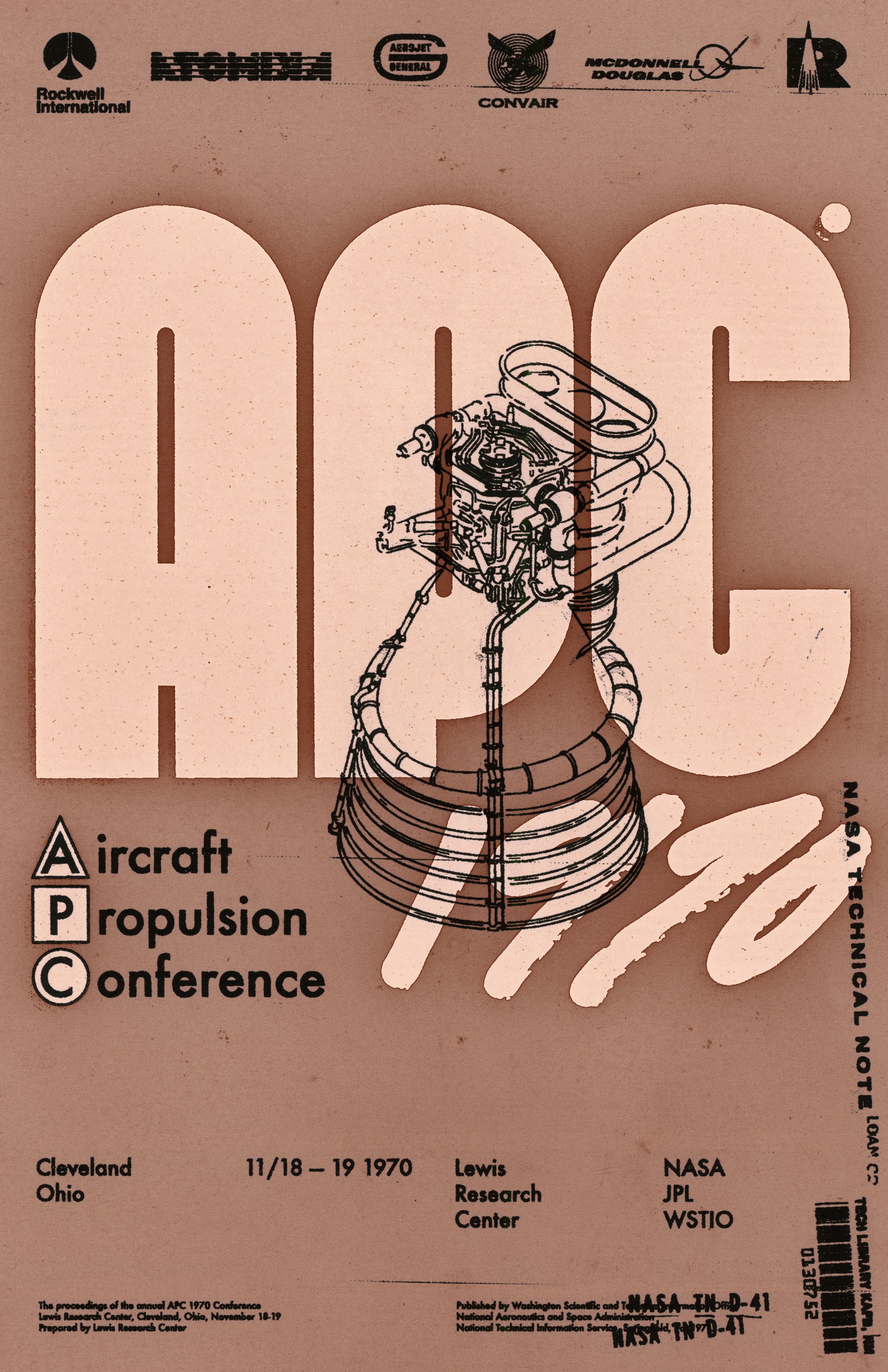
While the details of these projects have never been fully disclosed, FOIA requests have shown that Atomika contributed to the development of major breakthroughs during NASA’s golden age, including solving hydraulic resonance in Saturn V firing chambers, pioneering material science that lead to advances in the Mercury Program space suits, and creating prototype designs for Nuclear Thermal Rocket (NTR) engines.
NTR engine design would become a focus for the teams at Atomika, and development continued rapidly until 1973, when budgets were redirected to the early Space Shuttle Program.
Atomika Festival takes place in and around the Twistflower Atlas-F missile silo.
The Atlas program began in the mid-1950s, amid Cold War fears of a Soviet “missile gap” following the launch of Sputnik, and early Soviet ICBM developments. After faults had been discovered with the previous generation of Atlas E boosters, The Atomika Corporation subcontracted with Convair to develop components for re-designed liquid fueled engines, though some Atomika team members would later claim they did not know their work was intended for nuclear ICBMs.
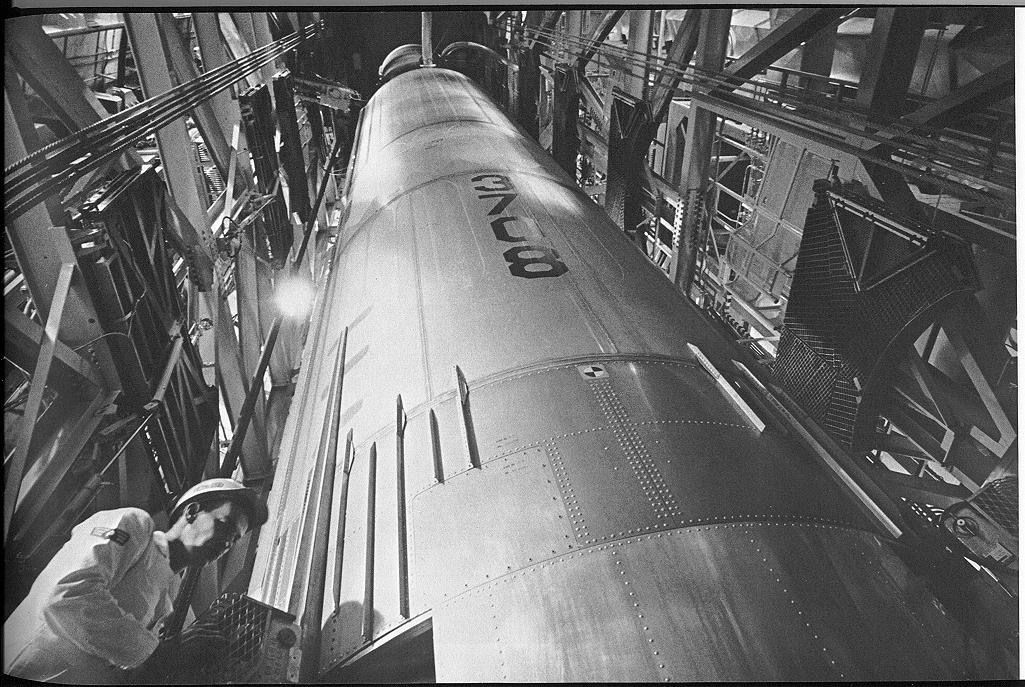
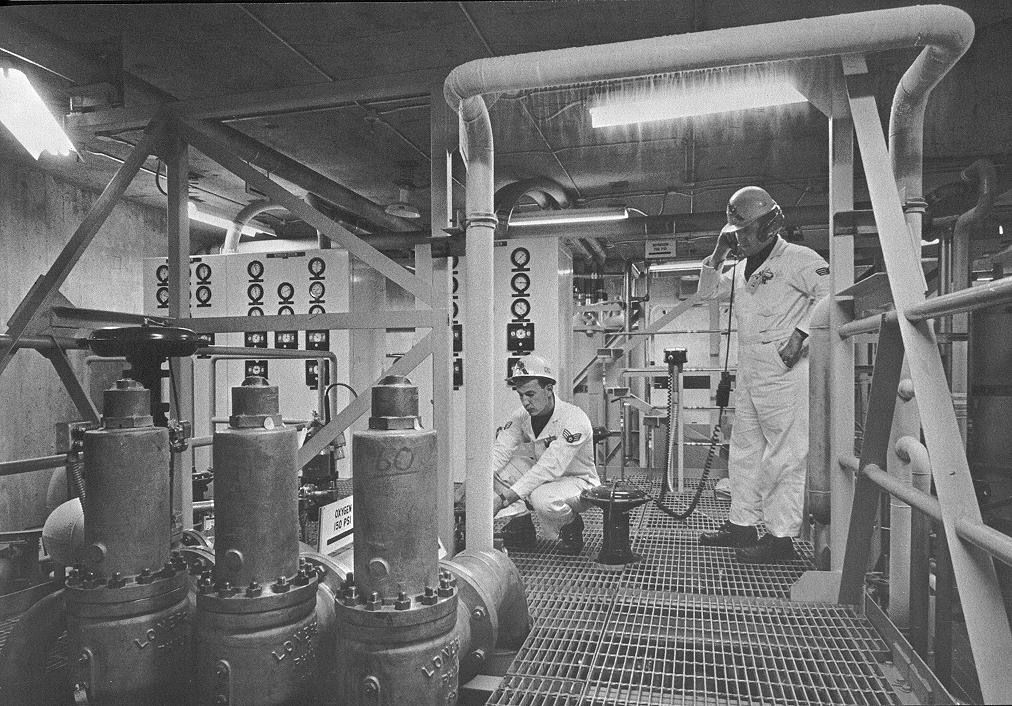
The first Atlas F silos came online between 1961 and 1962, and the construction challenges were staggering. They involved massive excavation, open pit and deep shaft mining, blasting, and 24/7, continuous slip-form concrete pouring. Though the program was undertaken at immense cost, each silo would remain operational for only 3 years. All Atlas F sites were decommissioned by mid-1965.
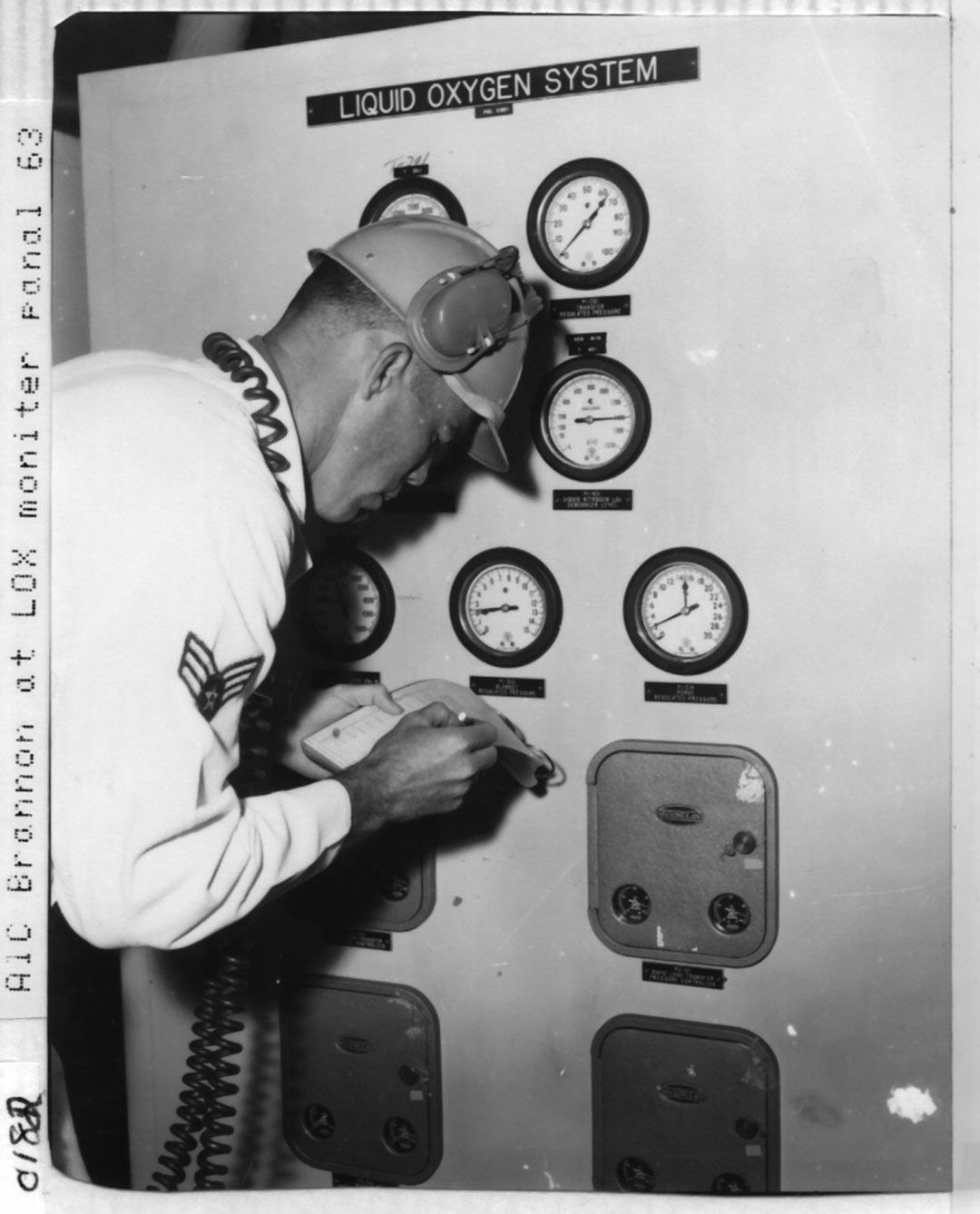
The Silos were stripped, the missiles were removed, and the warheads were salvaged. The rockets themselves were later refurbished into space launch vehicles, and flew numerous peaceful unmanned orbital missions, including launching early GPS satellites from 1978 to 1985, as well as other research and satellite deployments through the 1990s on behalf of NASA.
Each Atlas F was Approximately 174 feet deep and 52 feet in diameter.
The Atlas F (SM-65F) intercontinental ballistic missile itself was equipped with a W38 thermonuclear warhead, with a yield of approximately 4.5 megatons, or 4.5 Million tons of TNT. A doomsday weapon, created to kill up to 10 million human beings.
The silo walls are heavily reinforced epoxy hardened concrete, 9 feet thick, and incorporating 3 inch rebar. They are themselves designed to withstand a nuclear strike by an airburst nuclear weapon. The massive 75-ton steel silo doors protrude above ground.
Down the catwalk from the silo itself is the Launch Control Center. This underground cylindrical bunker housed a crew of 5, shielded them from radiation, and included controls, communications, and life support. The crew could survive within the bunker for an extended period of isolation.
In the heady days of the mid 1960s, before the Stagflation crisis of the 1970s forced dramatic reductions in NASA’s budget, there was a pervasive feeling at Atomika that the future was possible. Nuclear Thermal Rockets were only one piece of a vast, solar-system wide puzzle, which began to take shape in the minds of Atomika’s engineering leadership. The full scope and grandeur of the project would eventually include plans for Herman Oberth habitats (later popularized as O’neill Cylinders,) Lagrange Point way-stations, and lunar colonies.
None of these ambitious programs — which today would be dismissed as pure science fiction — ever got off the ground. But at the time, the brilliant minds at Atomika took their work seriously, and saw endless possibility for humanity and our small blue planet.
After the cancellation of the NTR program Atomika’s assets were sold off to Convair and the Nuclear Engine development team, then known as Atomika-Convair, was formally disbanded in 1983.
Though not as well known as giants like Lockheed, Pratt and Whitney, or Douglas, the unsung contributions from the team at Atomika live on within humanity’s most inspiring spaceflight achievements.
At Atomika Festival, in some small way, we pay homage to their vision for a better future among the stars.
Bob Lazar and Project Terraform
Decommissioning the Twistflower Silo was only the beginning of a long strange trip.
In 1996 the silo was purchased by Bob Lazar, a figure well known in UFO and parapolitical circles. Since coming forward as a whistle blower in 1989, Bob Lazar has claimed that he worked at a secret facility called S-4, near Area 51 in Nevada, on reverse-engineering extraterrestrial spacecraft, including the craft that purportedly crashed at Roswell, near Twistflower Silo.
Lazar has described working on nine such craft, which he said were of alien origin, and were powered by an antimatter reactor using a stable isotope of Element 115, which enabled gravity manipulation for propulsion.
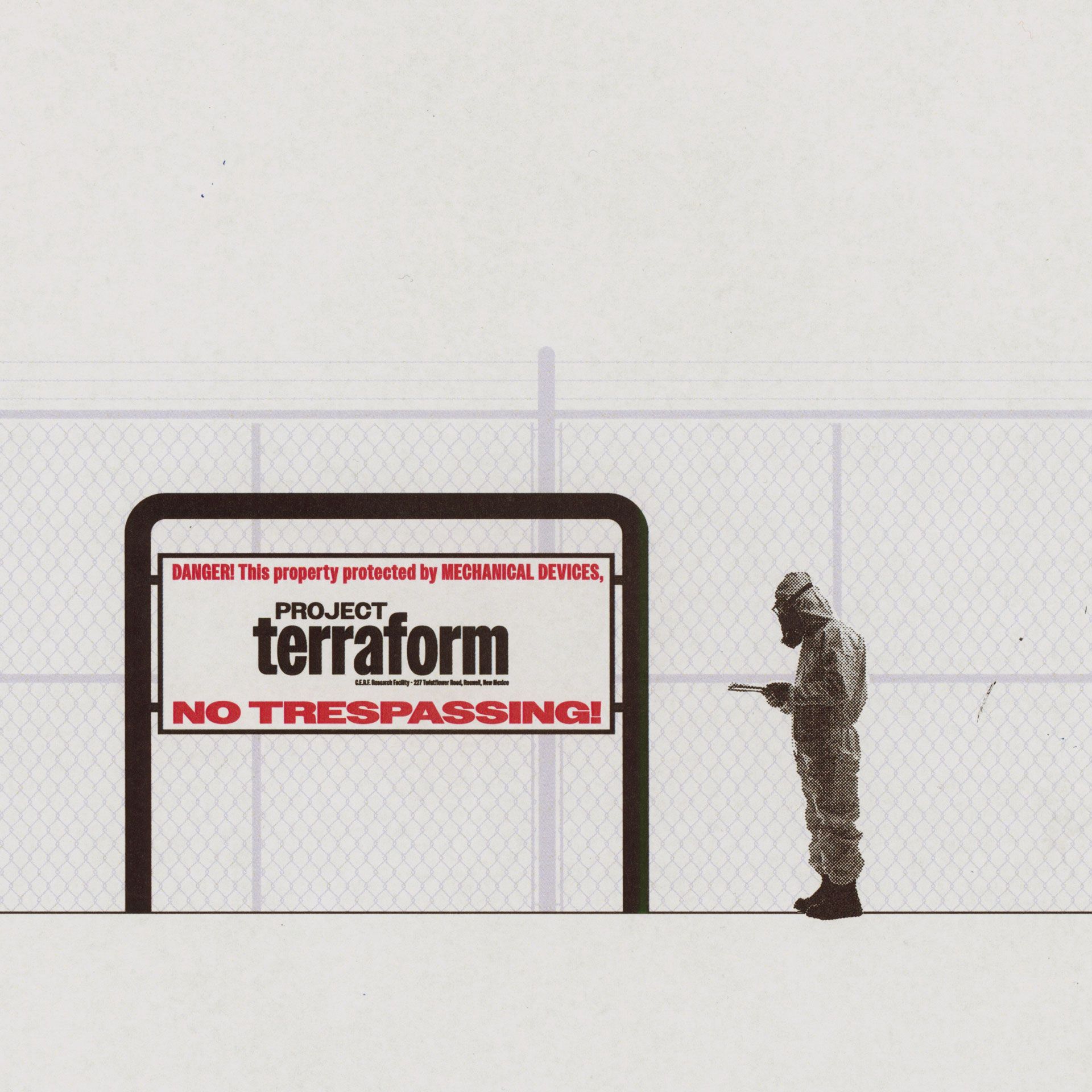
From the late-1990s Bob Lazar was involved in “Project Terraform”, an initiative to convert The Twistflower Silo into an underground simulated Martian environment.
The project was co-founded in 1997 by Lazar and Hollywood visual effects supervisor Jon Farhat. It aimed to serve as a commercial research facility for studying the feasibility of Mars colonization, with the silo’s deep, isolated structure providing a controlled setting to mimic Martian conditions.
“Project Terraform,” received funding from Hollywood figures, including William Shatner, but was quietly dissolved on March 31, 2000.
Not far from Twistflower, another Atlas Silo was converted into an extraterrestrial messaging beacon, called Starlite, in 1999, this project also seems to have been discontinued.
Controversies and Conspiracies
In recent years independent researchers have led a renewed interest in the Atomika Corporation, and most of what we know has only recently been declassified. As with any shadowy organization of that era, the conspiracy theories abound.
Several different, often contradictory versions of the alleged true purpose of Atomika’s research have circulated over the years. Two key points are common to most accounts:
Atomika NTR research was a front for advanced Nuclear Fusion applications. Atomika Inc. never disbanded, and research continues to this day.
Because little is known about the true fate of Atomika’s research after 1983, speculation has been wide open as to why it was disbanded. And rumors range from fraud, to Soviet spy rings, to developments in teleportation, anti-gravity, and time travel.
It might be decades before the full story of Atomika is disclosed. While we’re hoping for time machines, we’d settle for flying cars.